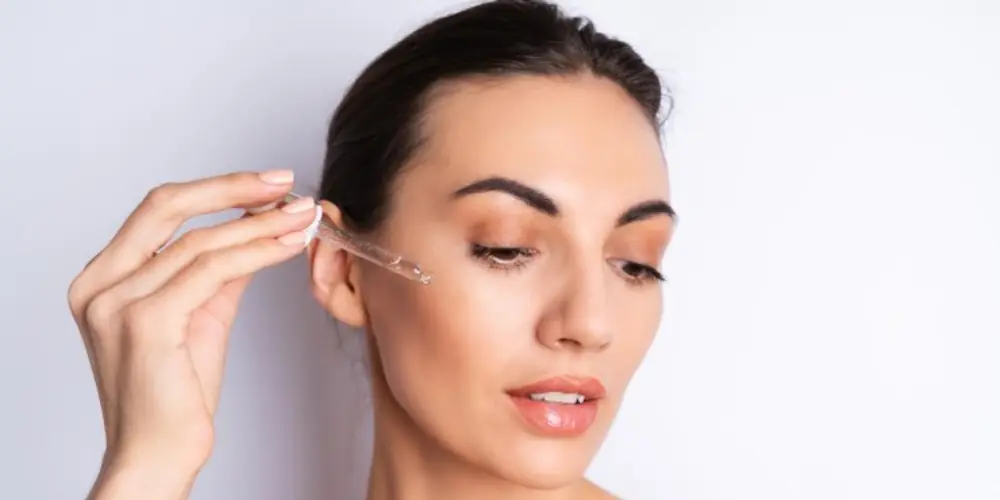
Have you ever sifted through a sea of beauty blogs and stumbled upon the term “actives”? Maybe you’ve seen advice on incorporating actives into your skincare routine to tackle acne, enhance hydration, or brighten your complexion. But what are actives in skin care, and how can they benefit your skin?
Let’s dive into the world of actives and uncover the essentials you need to know.
What Are Actives in Skin Care?
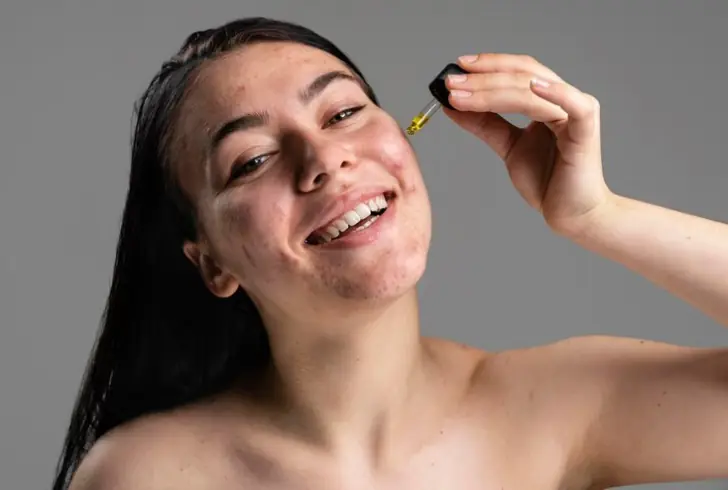
What Are Actives in Skin Care Products? In simple terms, an active is an ingredient in a skincare product designed to address specific skin concerns. Whether it’s acne, dryness, or signs of aging, actives are the powerhouse ingredients responsible for making a noticeable difference in your skin.
According to Dr. John G. Zampella, an assistant professor of dermatology at NYU Langone Health, “The active ingredient is the chemical or molecule in the product that achieves what the product claims to do.” For instance, in an acne-fighting cleanser, the active ingredient might be salicylic acid.
The Science Behind Actives
Actives are not just randomly chosen ingredients; they are backed by scientific research and proven to change the skin in measurable ways. As Dr. Emily Newsom, a board-certified dermatologist at Ronald Reagan UCLA Medical Center, explains, “An active ingredient has data behind it showing its efficacy. The FDA regulates claims about these ingredients to ensure they reflect a level of certainty about their effectiveness.”
This regulation means that when a product claims to treat a skin condition, the active ingredient has undergone rigorous testing to prove its effectiveness.
Understanding Inactive Ingredients

Just because a product doesn’t contain an active ingredient doesn’t mean it’s ineffective. Inactive ingredients, those not regulated as actives by the FDA, play crucial roles too. They can support the delivery of active ingredients to the skin, aid in moisturizing, or simply enhance the product’s texture and scent. However, some inactive ingredients might irritate sensitive skin or trigger allergies, so it’s essential to read labels carefully.
Common Categories of Actives
Here’s a breakdown of the most common actives you’ll encounter, each tailored to address specific skin issues:
- Signs of Aging: SPF-boosting ingredients (zinc oxide, titanium dioxide, avobenzone), vitamin A/retinoids, vitamin C, vitamin E.
- Dryness: Hyaluronic acid, vitamin E.
- Pigmentation Issues: Kojic acid, AHAs, BHA, hydroquinone, vitamin C.
- Acne: Vitamin A/retinoids, salicylic acid, benzoyl peroxide, azelaic acid.
- Rosacea: Various antibiotics, azelaic acid, sulfur.
- Psoriasis: Steroids, vitamin A/retinoids, vitamin D, salicylic acid, urea, lactic acid, anthralin, tacrolimus, pimecrolimus.
- Eczema: Steroids, tacrolimus, pimecrolimus.
Prescription vs. Over-the-Counter Actives
Some active-containing products are classified as drugs and require a prescription. These include treatments for specific conditions like eczema, psoriasis, or severe acne. The FDA has strict guidelines for these products, which must undergo clinical trials to prove their efficacy and safety before hitting the market.
Other actives are available over the counter (OTC). The distinction often lies in how the product is marketed. OTC products may claim to “reduce the appearance of” skin issues without explicitly stating they treat the underlying condition, classifying them as cosmetics rather than drugs.
The Role of Concentration
The effectiveness of an active ingredient can depend on its concentration. For instance, benzoyl peroxide is effective in treating acne in concentrations as low as 2.5%, which might be just as effective as higher concentrations like 10%. However, higher concentrations might be necessary for more stubborn cases or different skin types. Similarly, prescription-strength retinoids might offer more significant results than their OTC counterparts.
Deciphering Ingredient Lists
Navigating the ingredient list on skincare products can be daunting. Here’s what to focus on:
- Active Ingredient: The primary component responsible for the product’s efficacy.
- Concentration: The amount of active ingredient can impact effectiveness.
- Inactive Ingredients: Check for potential allergens or irritants.
- Claims on Packaging: Understand what the product promises and whether it aligns with your skin needs.
Getting Expert Advice
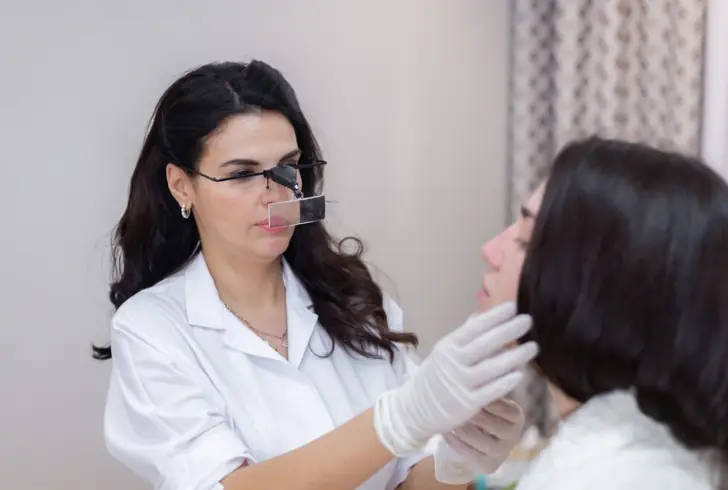
Consulting with a dermatologist can be incredibly helpful. They can demystify ingredient lists, recommend the right actives for your skin type, and suggest whether a prescription product is necessary or if an OTC option will suffice.
Real-Life Applications and Tips
- Prescription Strength vs. OTC: Prescription products may offer higher concentrations of active ingredients, but OTC products can still be highly effective.
- Combining Actives: Some active ingredients work well together, while others should not be mixed. For example, using retinoids and AHAs/BHAs simultaneously can cause irritation.
- Patch Testing: Always patch test new products to ensure you don’t have an adverse reaction.
Understanding what are actives in skin care is key to making informed choices about your skincare routine. Actives are scientifically backed ingredients designed to address specific skin concerns, and knowing how to use them effectively can make a significant difference in your skin’s health and appearance.
Whether you opt for OTC products or need prescription treatments, being informed and consulting with a dermatologist will help you achieve the best results for your skin.