Splotchy redness is a common skin issue that can leave you feeling self-conscious and frustrated. Whether caused by environmental factors, genetics, or skin conditions like rosacea, dealing with uneven red patches is a struggle many face.
The good news? There are skincare solutions that can help reduce and even eliminate this redness, allowing you to feel more confident in your own skin. Here are some of the best ways to soothe and manage splotchy redness:
Understand Splotchy Redness First
Splotchy redness happens when blood vessels close to the surface of your skin dilate, causing an uneven, flushed look. It can be triggered by a variety of factors like weather changes, stress, alcohol, or even spicy foods. For others, it is simply a part of living with sensitive skin or conditions like rosacea.

So, the first step is identifying the right products and lifestyle adjustments that target the redness without aggravating your skin.
Use Gentle Cleansers to Calm Irritation
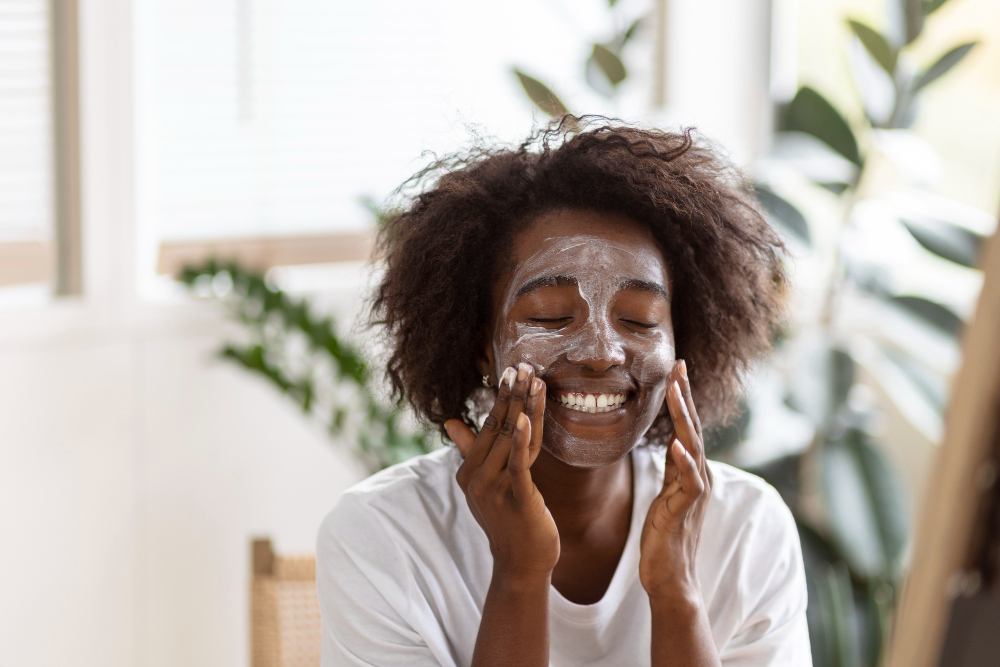
When dealing with splotchy redness, choosing the right cleanser is crucial. Harsh ingredients like sulfates can strip the skin of its natural oils, leaving it dry and more irritated. Instead, opt for a gentle, hydrating cleanser that helps balance your skin without causing flare-ups.
Look for cleansers with soothing ingredients like chamomile, aloe vera, or green tea. These natural anti-inflammatories work to calm your skin while cleansing away dirt and impurities. It is important to cleanse your face with lukewarm water rather than hot, as heat can further irritate the skin and exacerbate redness.
Try Moisturizers That Soothe and Protect
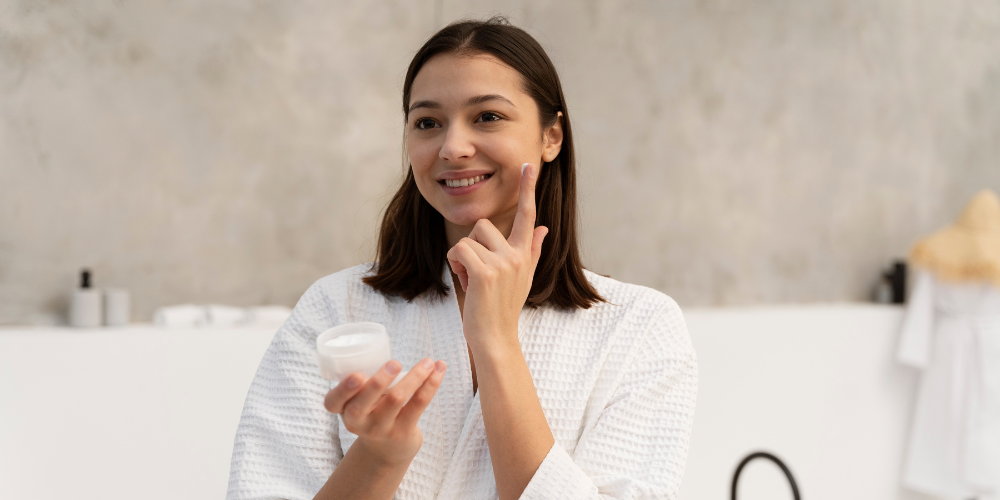
Hydration is essential when managing splotchy redness. Dry skin can make redness more pronounced, so keeping it well-moisturized is key. You will want to avoid heavy, greasy creams that might clog pores, as clogged pores can lead to even more irritation. Instead, look for lightweight, non-comedogenic moisturizers that hydrate without weighing down your skin.
Moisturizers containing ingredients like hyaluronic acid, niacinamide, and ceramides are excellent for replenishing moisture and strengthening the skin barrier. Niacinamide, in particular, is known for its ability to reduce redness and inflammation while promoting a healthy, glowing complexion.
Ideally, apply your moisturizer after cleansing to lock in hydration and protect your skin from environmental aggressors.
Go For Anti-Redness Serums and Treatments
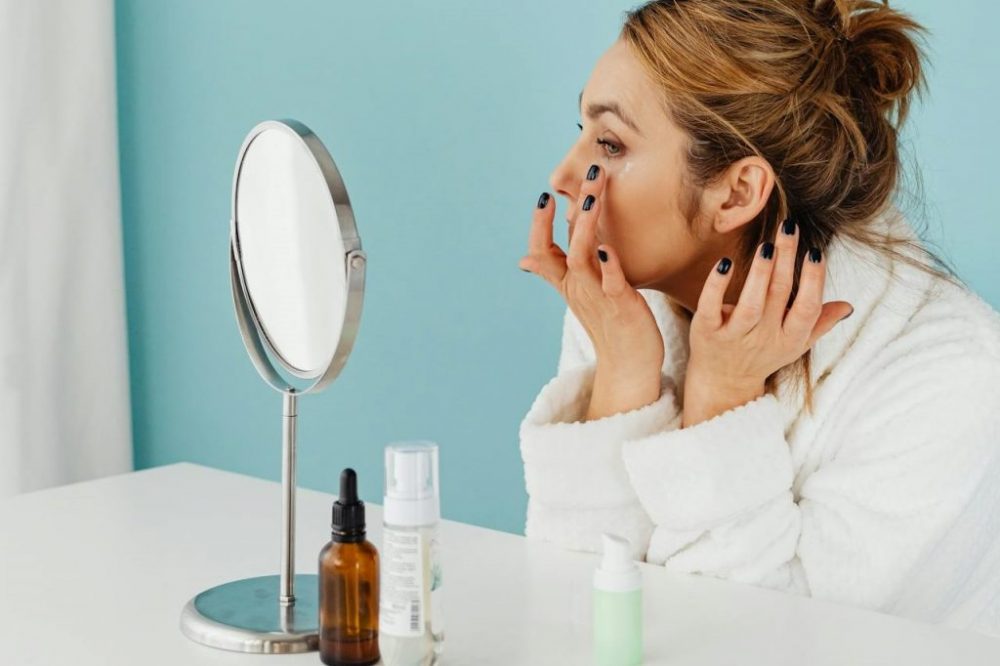
For more targeted treatment of splotchy redness, anti-redness serums and treatments are worth exploring. These serums have calming ingredients that help reduce inflammation and soothe irritated skin.
One popular ingredient in anti-redness serums is azelaic acid. Azelaic acid works by reducing inflammation and swelling in the skin.
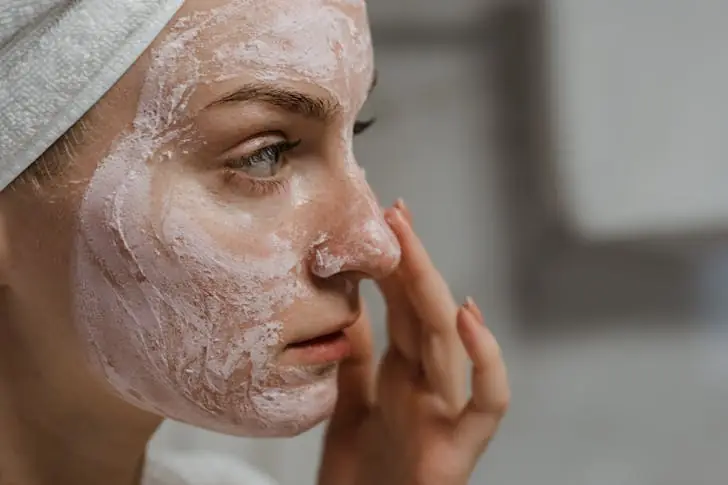
Another standout ingredient is licorice root extract. Known for its brightening and anti-inflammatory properties, licorice root can help reduce the appearance of redness and even out skin tone. Applying an anti-redness serum before moisturizing can amplify your skincare routine’s calming effects. This will help you achieve more even skin over time.
Avoiding Irritating Ingredients
One of the quickest ways to trigger a flare-up of splotchy redness is by using products with harsh or irritating ingredients. Alcohol, fragrances, and certain preservatives are common culprits that can inflame the skin and lead to more noticeable redness. Always check the ingredient list before trying out new products, and avoid those with potential irritants.
Instead, opt for products labeled as “fragrance-free” or “for sensitive skin.” Products with minimal ingredients tend to be less likely to cause irritation. Remember, the simpler the better – when it comes to sensitive skin.