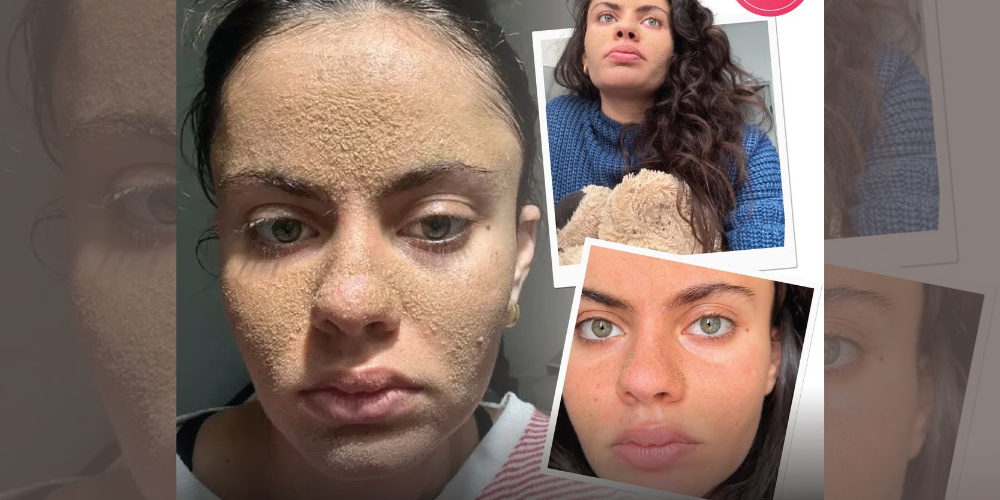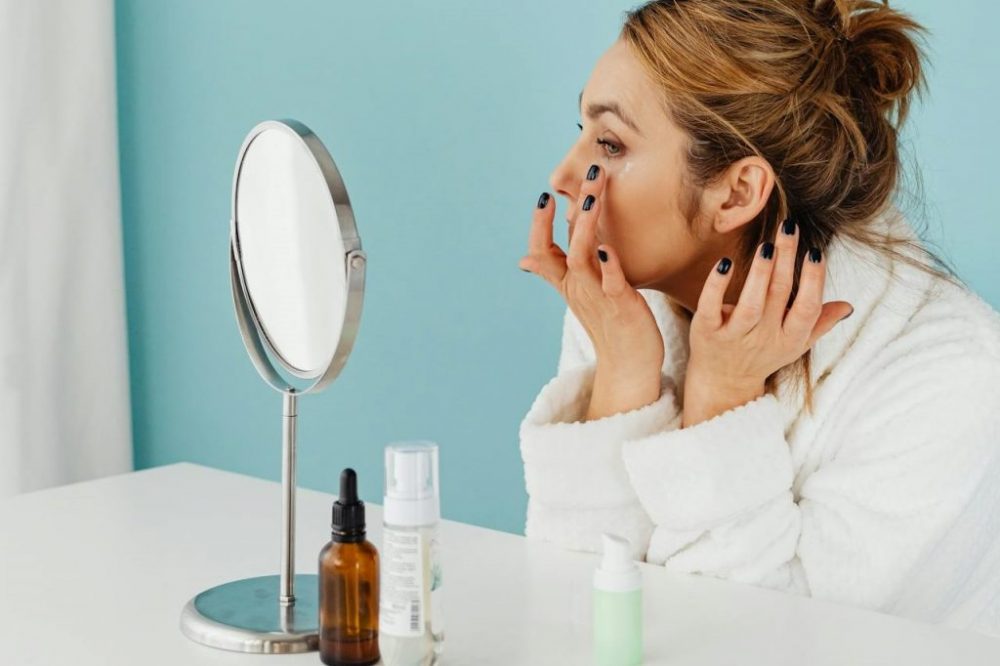
We’ve all been told from an early age how important it is to wear sunscreen before going out in the sun. UV rays are harmful for our skin and can cause premature aging and skin cancer. But what most of us don’t know is that despite wearing a sunscreen, our skin could still be at the risk of being exposed to sun damage. A new study has discovered that one out of three sunscreens on the market fails to provide the adequate protection needed against the harmful UV rays.
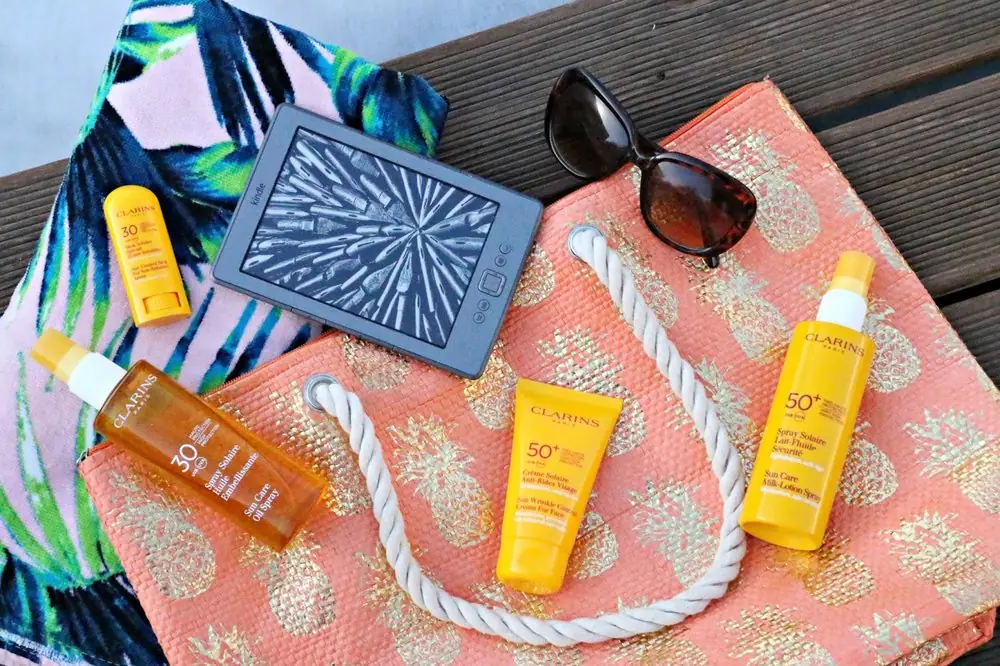
One-Third Of Sunscreen Products Fail to Meet the Standart
Sunscreens are becoming more advanced than ever as the market is flooded with different brands offering a range of options to choose from. Today, you can easily find products that offer sun protection to some degree including foundations, creams and moisturizers. The American Academy of Dermatology recommends using a sunscreen which has a sun protection factor (SPF) of 30 or above, offers broad-spectrum protection and is water repellant.
A shocking new study revealed that more than 41% of the sunscreens on the market do not meet AAD’s all three requirements. Researchers found that most of the tanning, bronzing and other cosmetic products that contained SPF 30 or above, did not provide any protection against the sun. After doing thorough research on over 400 sunscreen products available on major websites and pharmacies, they discovered that most of them did not adhere to the guidelines provided by AAD. One broad-certified dermatologist says that the industry has made significant advancements in the past three years but most patients are still confused about which sunscreen they should choose.
Why is Broad-Spectrum Protection Important?

When picking out a sunscreen, it is crucial to look for one with broad-spectrum protection since it acts as a shield against both ultraviolet A (UVA) and ultraviolet B (UVB) rays, which have been proven as the main cause of sun damage and skin cancer. What the study found was that almost every sunscreen in major pharmacies and supermarkets had SPF 30 or above and carried broad-spectrum protection, as per AAD’s recommendation. However, less than 70% had water-resistant properties which means that the moment you start sweating or take a dip in the water, the protection wears off, exposing you to the dangerous UVA and UVB rays once again.
The author of the study, Dr. Ariel Eva Eber, says that even though the results were below satisfactory, the sunscreen industry had made significant improvements since 2014. She added that the researchers had hypothesized before conducting the study that not much would have improved but the positive results gave them hope that the industry was moving in the right direction. Dr. Eber explained that the number of sunscreens offering broad-spectrum protection had gone up considerably since 2014, and even though it doesn’t mean much to the average customers who don’t understand broad-spectrum and only look for sunscreens that offer the highest SPF protection and oil-free properties, it is still seen as an encouraging sign in the scientific community. However, there is still room for major improvements.
Proper Technique of Applying Sunscreen
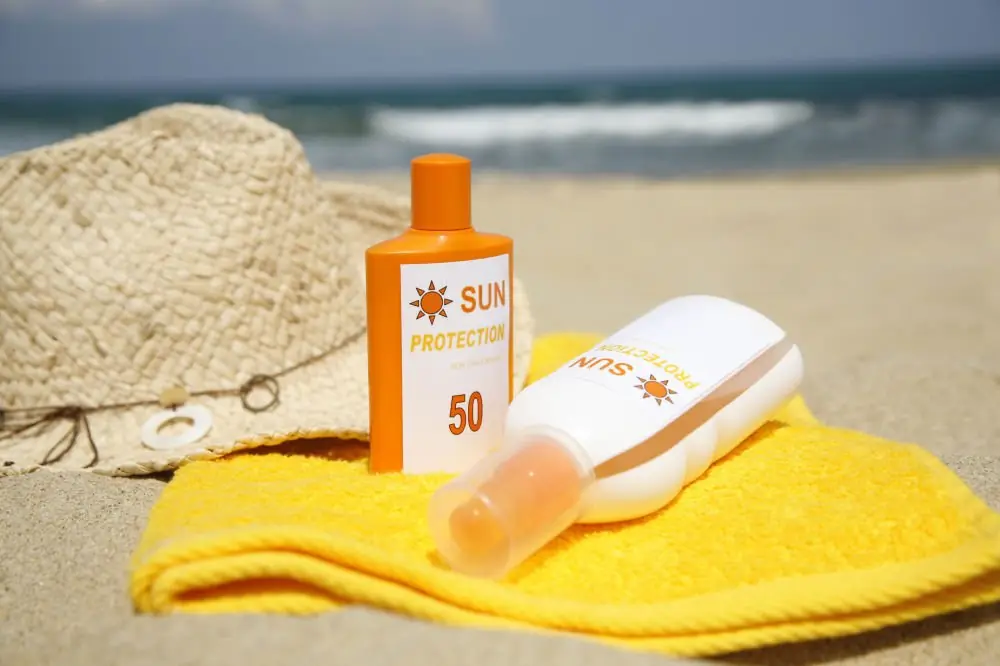
Doctors who understand sun damage often leave their house fully protected. Dr. Alexander Webb of Hillsborough, N.C. says that when he was a kid, people didn’t know much about sun damage and there weren’t many sunscreens available on the market. As a result, he suffered from major sun damage which boosted his risk of sun cancer. Now that he is older and knows better, he takes precautionary measures such as applying a good sunscreen, wearing a wide-brim hat and sun glasses before leaving the house. He is also careful of sunburns in hot weather and takes an umbrella to the beach for some shade. The reflection of water and sand on the beach can burn your skin severely which is why it’s important to take protective measures.
Since there are so many sunscreens on the market, there can often be confusion about which provides the best protection against the sun. Dr. Eber recommends looking for a product that contains zinc oxide or titanium dioxide which act as a shield against UV rays. It is also possible that you’re putting too little sunscreen to provide adequate protection. She recommends an amount the size of a golf-ball for head-to-toe coverage with reapplication every two hours.