Imagine you are on a serene beach. The sun is shining, and you are about to apply sunscreen. You reach for the mineral sunscreen, also known as physical sunscreen. This is the old-school stuff, but with a modern twist.
But what is the difference between mineral sunscreen and chemical? Well, there are lots of differences. Let’s explore them one by one.
What Makes Mineral Sunscreen Special?
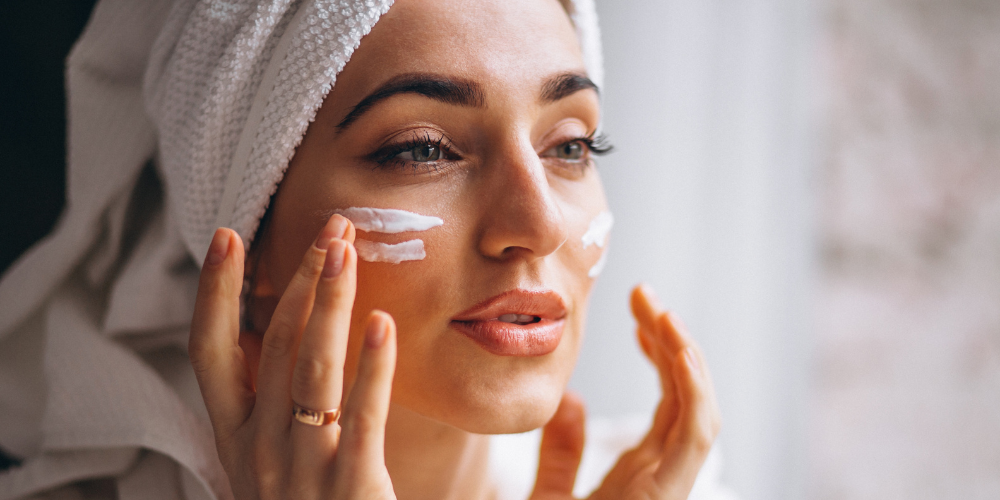
Mineral sunscreen works like a tiny mirror on your skin. It contains natural minerals, primarily zinc oxide and titanium dioxide. These ingredients sit on top of your skin and reflect the sun’s rays away like a shield.

So, it is like having thousands of tiny umbrellas protecting your skin.
Why it is a Hit?
Here are some of the major properties that make mineral sunscreen a hit:
- Immediate Protection: The moment you slather it on, you are good to go. There is no waiting around.
- Sensitive Skin-Friendly: Because it does not get absorbed, it is less likely to irritate.
- No Chemical Reaction: It does not break down in the sun. so, it is more like the marathon runner of sunscreens.
- Reef-Safe: Love snorkeling? Mineral sunscreen is less harmful to aquatic life.
But, Here is the Catch
- It can be thick and leave a white cast, making you look like a ghost from a beach horror movie.
- It might be tricky to blend, especially on darker skin tones.
- Reapplication is a must, especially if you swim or sweat.
Chemical Sunscreen: The Invisible Guard
Now, let’s switch gears to chemical sunscreen. This is the modern, sleek counterpart.
The Science Behind It
Chemical sunscreens are made with, well, chemicals. Avobenzone, octinoxate, and oxybenzone are some common ones.
These chemicals absorb UV rays, convert them into heat, and release them from your skin.
Why People Love Chemical Sunscreens Then?
Here are some of the major reasons why most people love chemical sunscreen:
- Invisible Finish: It vanishes into your skin. No ghostly looks here.
- Lightweight Feel: Perfect for daily use, even under makeup.
- Broader Protection: Many formulas offer a wide range of UV protection.
But, It is Not Perfect
- Wait Time: You need to wait about 20 minutes after application before it is effective.
- Possible Skin Reactions: Some ingredients might not be best friends with sensitive skin.

Which One Should You Choose?
Here is the deal: The best sunscreen is the one you will use consistently. If you hate how it feels or looks, you will not use it. So, choose one that suits your skin type, lifestyle, and environmental concerns.
For optimal results, keep the following in mind:
- For Sensitive Skin: Mineral might be your best bet.
- For Daily Use: A lightweight chemical sunscreen might be more practical.
- For the Environmentally Conscious: Look for reef-safe options.
Summing Up
Whether you choose mineral or chemical sunscreen, the key is to use it. Liberally. Every day. And do not forget to reapply! Your skin is your lifelong companion, and taking care of it is not just about looking good, but being healthy too.