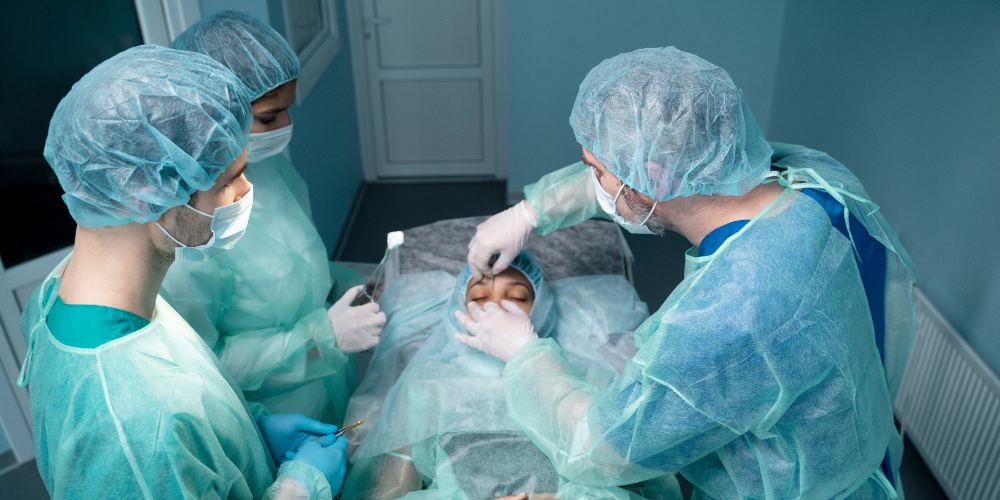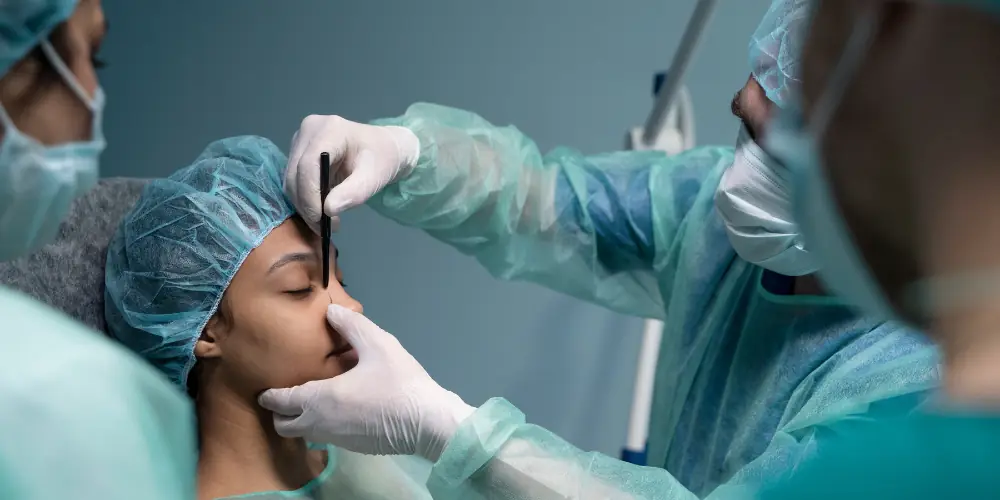
Plastic surgery has become part of everyday conversation, especially with more people openly discussing their procedures. But not all surgery is received the same way. Some results earn admiration for looking natural and refined, while others face criticism for appearing overdone or unnatural.
This subtle difference between what’s considered good surgery and bad surgery shapes much of the public dialogue around cosmetic enhancements today.
The Rise of Minimally Invasive Procedures and Its Impact
The surge in popularity of injectable fillers, Botox, and other minimally invasive treatments has dramatically changed how people approach beauty. Over 25 million procedures like these take place annually, doubling in the past decade alone. This growing acceptance has blurred the lines between what’s natural and what’s enhanced — sparking endless debates, especially when it comes to public figures.
Reality shows like “Love Island” often highlight these conversations, with fans analyzing which contestants have had work done and judging the results. The discourse often labels some transformations as “good work” because they appear subtle and almost invisible, while others are called “bad work” when they seem excessive or artificial. This distinction reflects an unspoken rule: cosmetic changes should enhance without drawing attention.
What Separates Good Surgery from Bad Surgery?
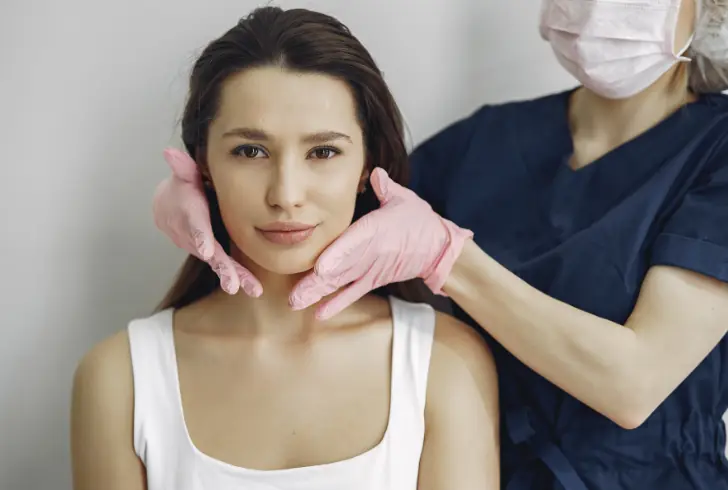
Good surgery tends to be subtle, blending seamlessly with the individual’s natural features. It respects the balance and proportions of the face or body, leaving no obvious signs of alteration. For example, a barely noticeable lip filler or a smooth neck lift that maintains natural contours is often praised.
On the flip side, bad surgery usually stands out because it looks exaggerated or out of sync with the person’s overall appearance. Overfilled lips, unnatural facial contours, or obvious implants can prompt negative reactions. The difference lies not only in skill but also in the cultural and aesthetic expectations shaped largely by Hollywood and mainstream media.
The Social and Ethical Layers of Cosmetic Procedures
The conversation around surgery isn’t just about appearance — it’s deeply connected to societal values. There’s a subtle moral judgment embedded in how people perceive cosmetic work. For instance, aging gracefully without surgical intervention is often admired, while the desire for beauty through procedures is sometimes seen as superficial or vain.
This mindset reveals underlying ageism and beauty standards that pressure many, especially women and gender-nonconforming individuals, to conform. The term “aesthetic inflation” describes how rising beauty expectations push people into a cycle of constant enhancement to stay competitive socially and professionally. Surgery and injectables are no longer luxuries but often feel necessary.
Transparency and Honesty in Surgery
More celebrities and influencers are now open about the procedures they’ve had, from breast implants to Botox injections. This openness helps some people understand that many beauty ideals require extensive intervention, countering the illusion of effortless perfection. Yet, transparency alone doesn’t dismantle the pressure to conform.
Cosmetic honesty can sometimes even fuel the industry, normalizing repeated procedures as a part of daily life. The challenge lies in discussing these choices without shaming individuals while recognizing the broader cultural forces at play.
Health Risks and Mental Health Considerations
While surgery can boost confidence, it carries risks—both physical and psychological. Surgical complications, unexpected side effects, and long-term health issues like implant illnesses are concerns often overlooked in glamorized portrayals.
Beyond the physical, the emotional toll is significant. Studies link intense beauty standards to anxiety, depression, and body image struggles. Confidence gained through surgery or injectables may be fragile, dependent on maintaining a certain look, and can lead to a cycle of repeated procedures that don’t necessarily improve overall well-being.
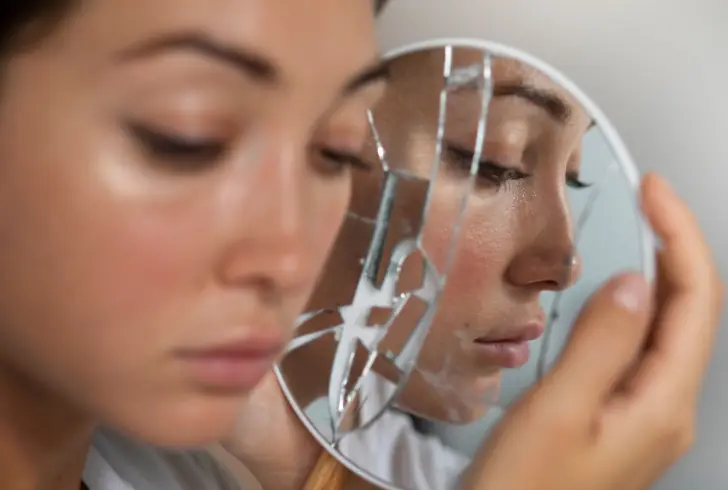
Surgery as a Reflection of Cultural Pressures
The growing trend of cosmetic procedures is rarely just a personal choice. It mirrors societal demands for youthfulness and attractiveness. These pressures often dictate who gets opportunities and how people are treated, making surgery less about preference and more about adapting to external expectations.
Understanding this context shifts the focus away from blaming individuals for their choices and toward questioning the systems that encourage such intense conformity to beauty norms.
Balancing Choices and Consequences
Cosmetic surgery sits at the crossroads of personal desire and cultural influence. Its acceptance and criticism reflect complex attitudes toward beauty, age, and identity. Recognizing the fine line between enhancing natural features and creating unrealistic ideals offers insight into why some procedures are praised while others are condemned.
As minimally invasive treatments become more common, it’s essential to keep a clear perspective on both the benefits and the risks—physical, mental, and societal. Being aware of these factors helps foster a more compassionate and informed conversation about surgery, one that respects individual experiences while challenging unrealistic standards.
The key lies in understanding that surgery is not just a matter of appearance; it’s part of a broader dialogue about who we are, how we age, and the cultural forces shaping those realities.