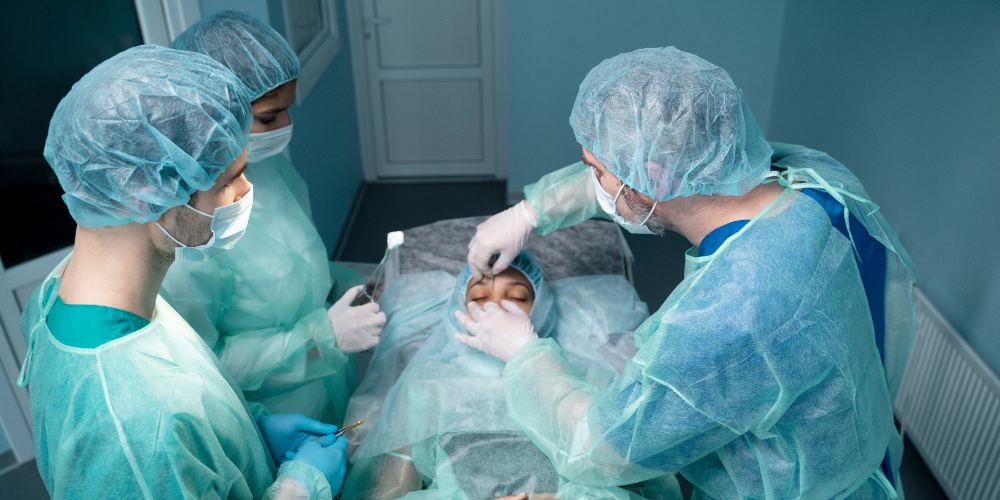
Surgery is the most common and effective way to treat breast cancer, it is used in some 95% of early stage cases of breast cancer and 70% of late stage cases. Although a popularly used method, surgical procedures can leave people with physical scars and a changed image and body shape, as some would have to undergo a breast reconstruction surgery after mastectomy.
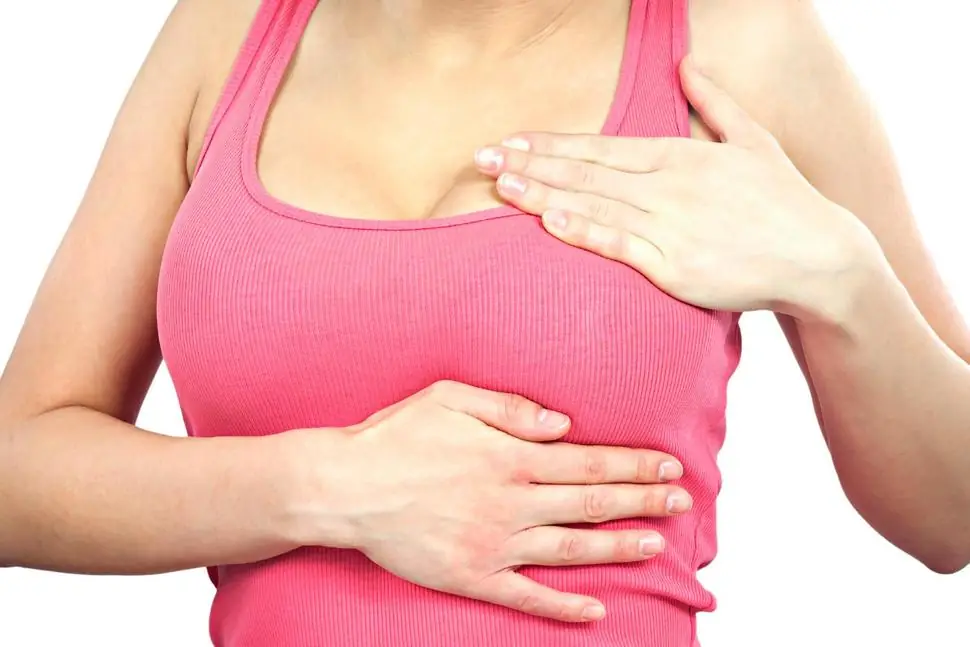
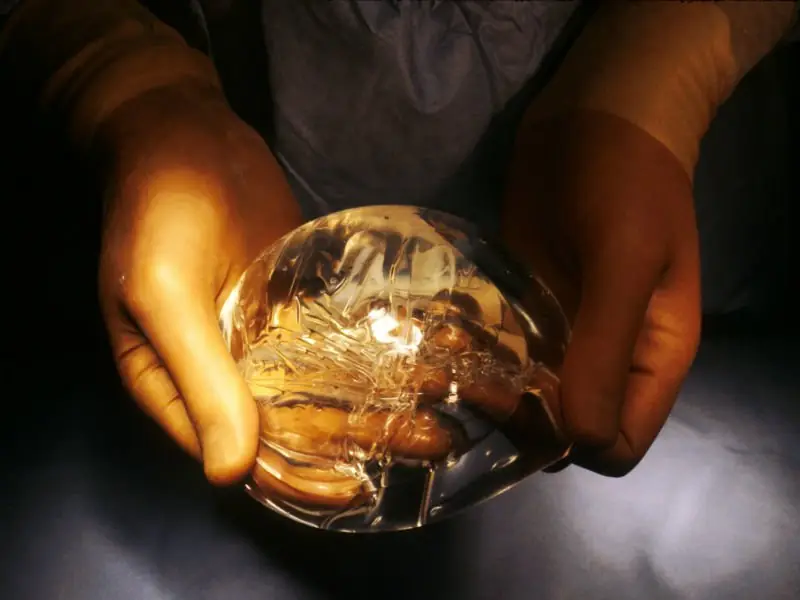
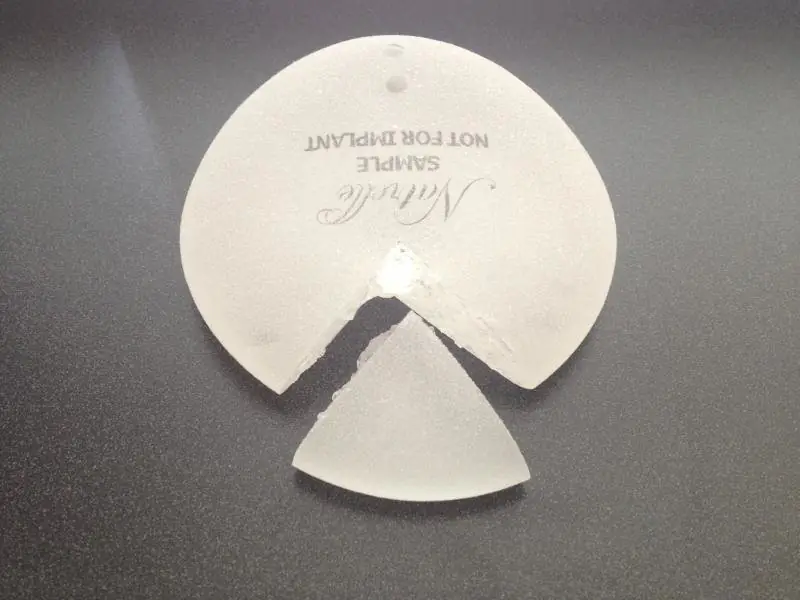
In one kind known as autologous breast reconstruction, surgeons remove tissue and fat from other parts in the body and insert it into the breast area. But as the recovery time taken here is long, people opt for the second kind of surgery, which is having implants; a disk shaped sac filled with saline solution or silicone which is inserted into the chest to mimic the shape of breasts. It depends from person to person how their body reacts to these artificial implants, which may cause ‘capsular contracture’, which is quite a common condition.
Capsular contracture and its development
Capsular contractures may develop as the body naturally tries to protect itself from a foreign object (implants), which has been inserted into it. Think of it as the body building a wall around the insert to seal off the implant from itself. This happens to all breast implant patients, with the ‘wall’ made of scar tissue, which is soft and does not give rise to any problems. For some people however, the scar tissue is hard and painful. Although the quality of care and surgeries of this kind have developed exponentially over time, capsular contracture still remains to be the most commonly occurring complication related to reconstructive breast surgery and the incidence could be as high as 30%.
If you consider the rise in number of these surgeries performed annually, thousands of people undergoing these procedures could be affected each year. After all, reconstruction on mastectomy patients have increased from 46% in the year 1998 to 63% in 2007. The data collected by American Society of Plastic Surgeons suggests that in 2015, breast reconstruction grew by 4% as compared to 2014 and 35% when compared to the data from 2000.
Understanding the issue and taking a call
After you have had a reconstruction using implants, should you notice a change in appearance of your reconstructed breast or if it becomes painful or hard to touch, seek a doctor’s advice right away. If a capsular contracture is detected, your doctor grades the severity of your case using Baker Scale of Capsular Contracture, christened after it’s founder, James L. Baker, Jr. The Baker scale, according to FDA reports, has four levels:
Grade I: area is ordinarily soft, looks natural
Grade II: area is little firm, looks normal
Grade III: area is firm, distortion visible
Grade IV: area is painful and hard with greater visible distortion
By itself, a capsular contracture does not pose any threat. But even though it does not cause cancer, infection or disease, the persistent pain, which comes with later stage capsular contracture, could be labelled a health problem. There is no known way of ascertaining if a patient will develop the condition post surgery, but it is seen that those patients who have previously had radiation therapy are more prone to capsular contracture – about 75% more susceptible. This is because radiation damages healthy cells.
Another reason that doctors point to is that if the patient has genetic disposition or a family history of capsular contracture, then they are more likely to develop with the issue, too. Some doctors believe that few people are more prone to the condition than the rest because their bodies are more reactive to trauma, thereby producing more scar tissue. A repeat surgery, to rectify the situation, may result in more scarring and pain for the patient, hence, surgery is avoidable altogether.
How can Capsular contracture be avoided?
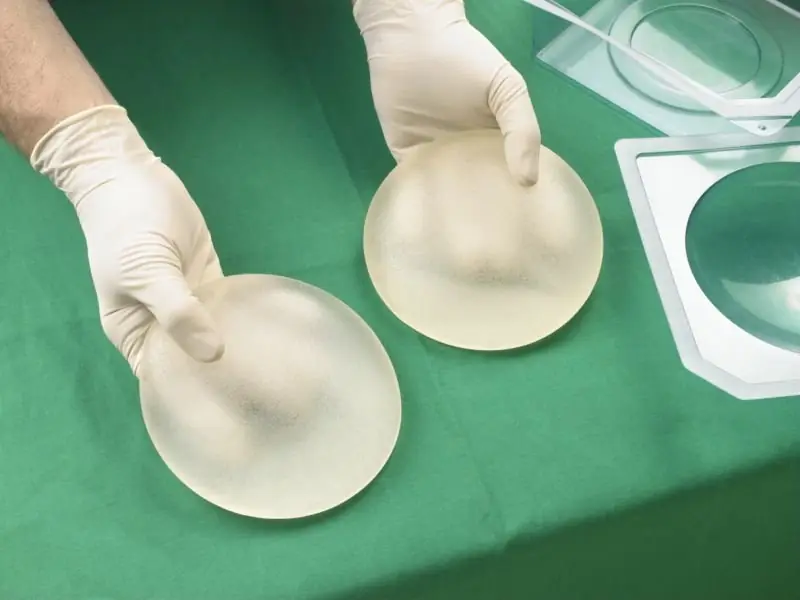
There is some evidence which suggests that massaging the implant, after 4 weeks of reconstructive surgery, may keep the capsule more supple. There have been observations that having textured implants instead of smoother options can decrease the risk of developing capsular contractures. But as of today, the best way to completely rid yourself of the problem is removing the implant and cutting away the capsule encasing it. But, of course, this would be an added surgery. Be aware that after removing the implants, if another reconstructive surgery is performed, you are risking the recurrence of a capsular contracture.
To completely avoid the problem, the autologous breast reconstruction is recommended, only if you are not willing to forego reconstruction altogether.