You do not need fast reps or heavy weights to get strong and healthy. Sometimes, staying still does more. That is the idea behind isometric exercise. You hold a position, your muscles stay tight, and your joints barely move. It looks simple, but the effect runs deep.
This quiet style of training has gained serious attention for a reason. It saves time, protects joints, and supports heart health in ways that surprise many people. If your schedule feels packed or your body needs a break from impact, this approach fits right in.
Why Isometric Exercise Works So Well for Your Heart?
Once you release the hold, blood rushes back through the area with more force.
That cycle trains your blood vessels to respond better over time. It helps them stay flexible and reduces stiffness. As a result, your resting blood pressure can drop in a meaningful way.
Research backs this up in a big way. A large 2023 analysis looked at thousands of people and compared different types of exercise. Isometric training came out on top for lowering blood pressure. It even beats steady cardio and weight training in this area.
The numbers make it clear. People saw an average drop of over 8 points in systolic pressure and 4 points in diastolic pressure. That is close to what some medications achieve. For a method that takes less than an hour a week, that result stands out.
Strength Gains Without Joint Stress
Strength is not only about movement, but it is also about control. Isometric exercise builds strength right where your muscles hold tension. This improves stability and control, which helps in both daily tasks and sports.
When you hold a position, your muscles recruit more fibers to stay steady. Over time, this increases your ability to generate force in that exact position. That is why athletes use isometric holds to sharpen performance before explosive movements.
This type of training is also easier on your joints. Since there is no repeated bending and straightening, there is less wear on connective tissue. That makes it a solid option for people dealing with joint pain or recovering from injury.
It is widely used in rehab settings for that reason. After surgeries or during recovery phases, people need to maintain strength without risking further damage. Isometric holds offer that balance, they keep muscles active while protecting the joint.
A Smarter Way to Train When Time Is Tight
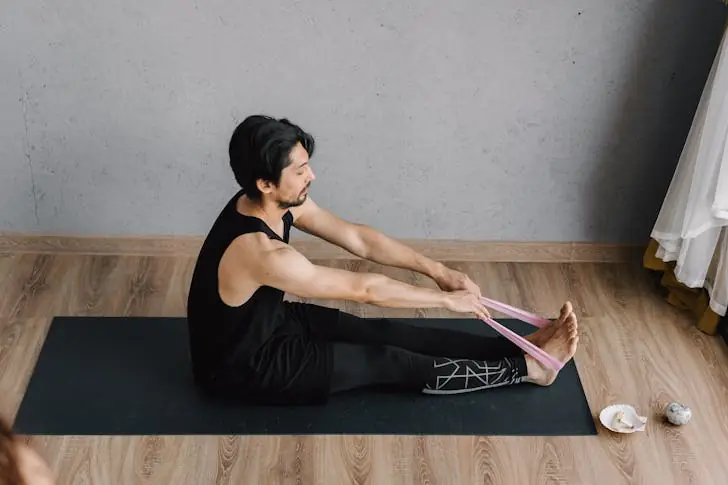
A simple structure works well and fits into almost any schedule.
Many studies follow a basic format. You hold a position for two minutes, rest for a minute or two, and repeat that four times. That adds up to around 14 minutes per session. Do that three times a week, and you are done in under an hour total.
That kind of efficiency removes a common excuse. You do not need a gym or special equipment either. A wall, a chair, or even your own body weight is enough to get started.
The wall squat is a popular example. You lean against a wall and hold a seated position. It targets your legs and challenges your endurance. Another option is the leg extension hold, where you sit and keep one leg straight out.